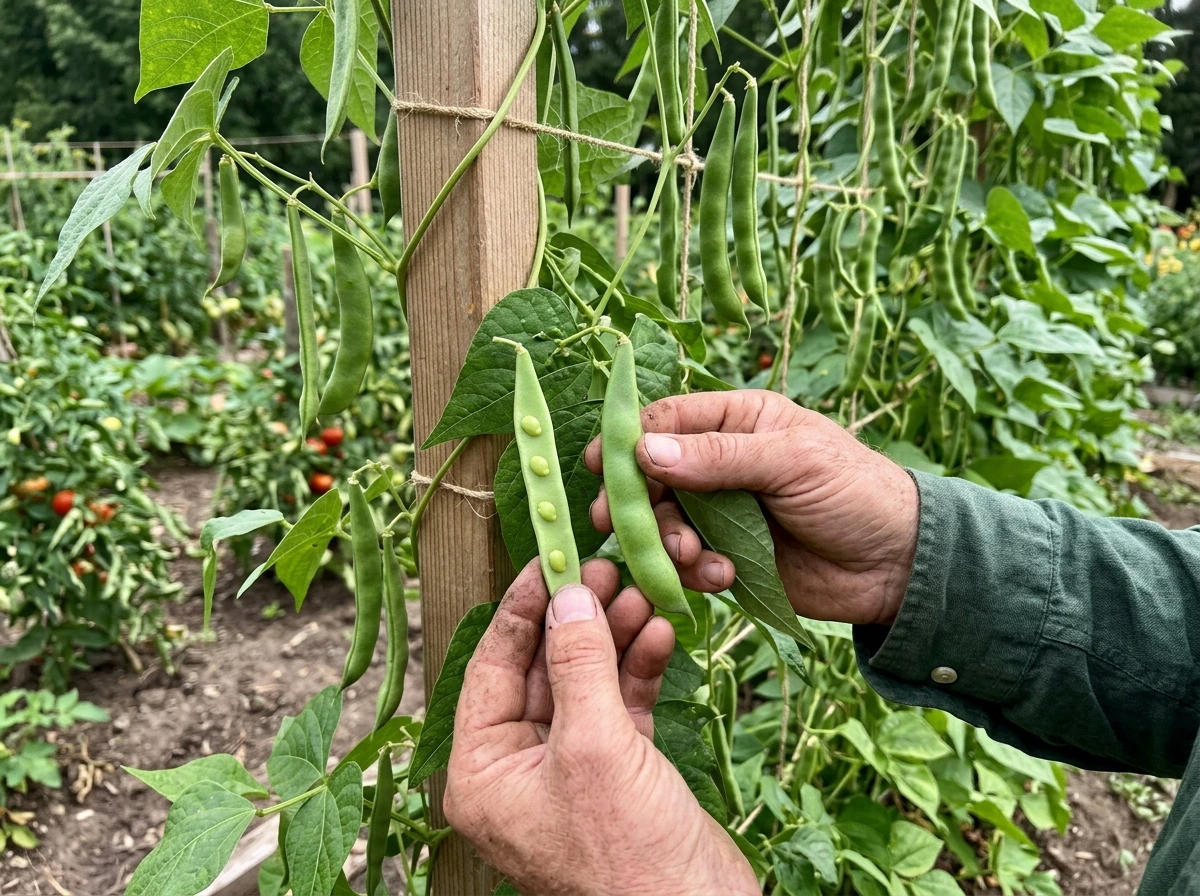
Short answer: almost certainly not. Canned beans are cooked and heat-sterilized at temperatures around 120 to 121°C (250°F), which destroys any chance of germination. The seeds inside are dead. But that doesn't mean a can of beans is useless in the garden. There are real, practical ways to use canned beans to feed your soil, and if you happen to have dry, uncooked beans sitting around, there's a reasonable shot at sprouting those. This guide walks through the honest truth about what canned beans can and can't do, how to test viability if you're unsure, and what to actually plant if your goal is growing an edible bean crop at home.
Can a Can of Beans Grow a Garden? How to Try
Marcus Hendrick
24 Mar 2026
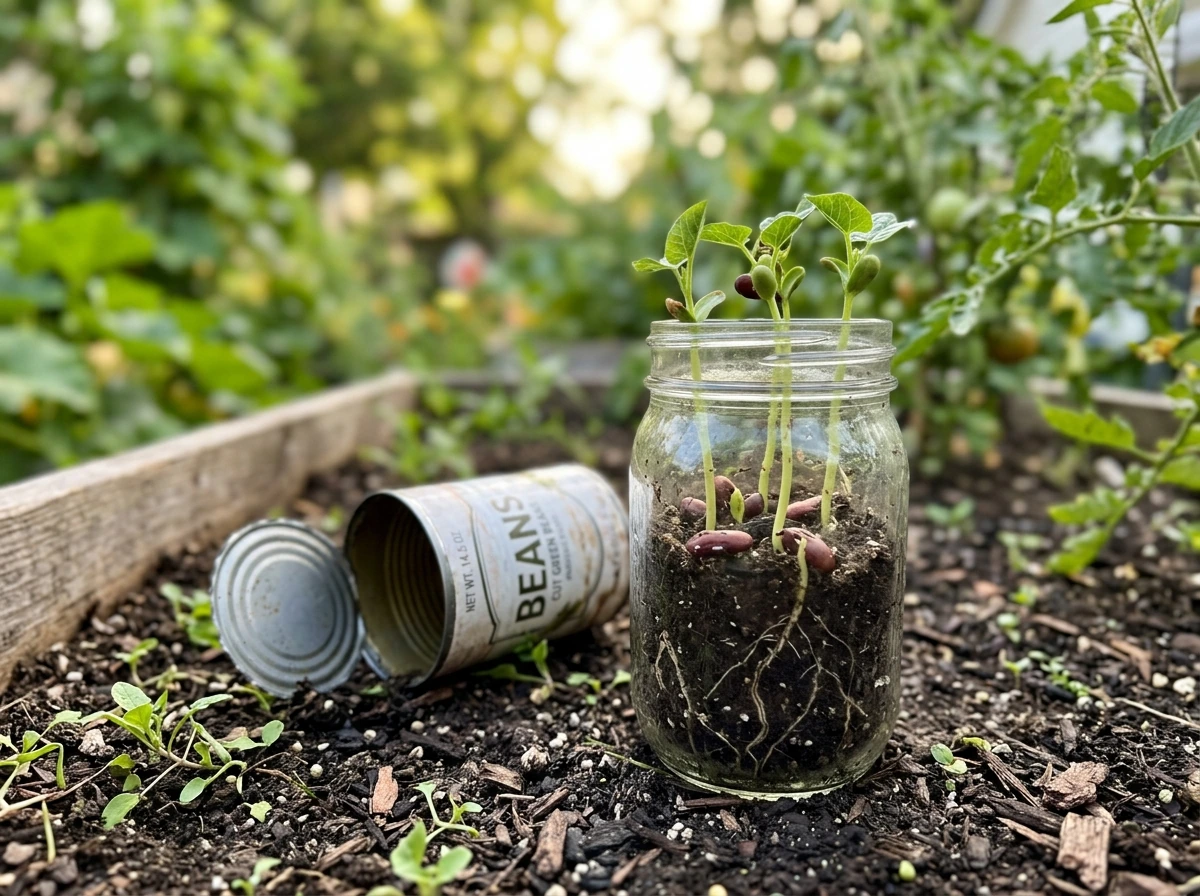
Can canned beans actually sprout and grow?
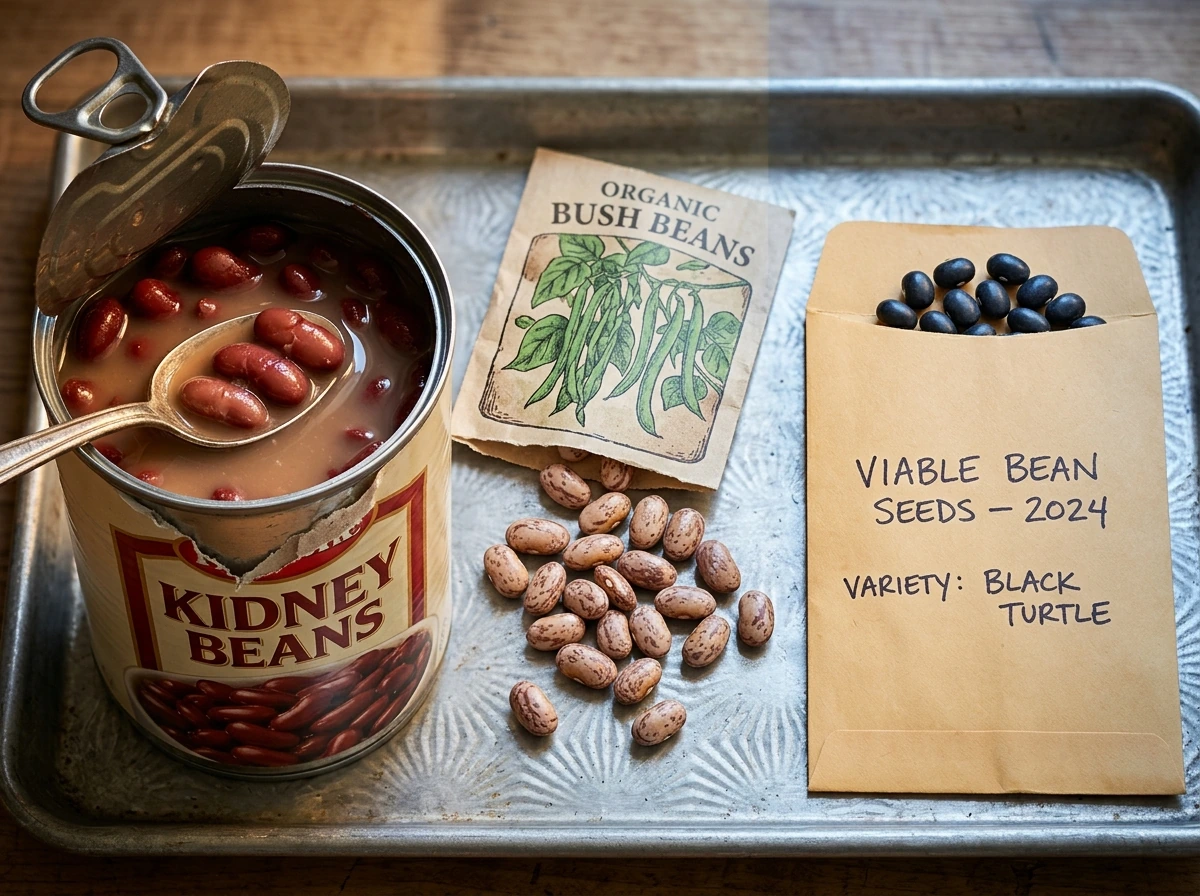
Let's clear this up right away. A can of beans from the grocery store has been through a retorting process, which is industrial pressure-cooking at temperatures that hit around 121°C (about 250°F). That heat is specifically designed to achieve what food scientists call 'commercial sterility,' meaning everything biological inside, including the living embryo inside each bean seed, is killed. This is done to prevent botulism and extend shelf life, and it works so thoroughly that there is genuinely nothing left alive in that can to germinate.
So when people ask whether canned beans can grow a garden, the honest answer is no, not in the traditional seed-sprouting sense. You won't get a bean plant from a can of black beans, kidney beans, chickpeas, or any commercially canned legume. The heat processing is too complete, and the seeds are functionally cooked through. What looks like a whole bean is structurally intact but biologically dead.
The one exception worth mentioning: dried beans sold in bags at the grocery store (not canned, not cooked) are sometimes viable, especially if they're recent stock. Lentils, chickpeas, black beans, and pinto beans bought dry have a real chance of sprouting if they haven't been treated with a germination inhibitor and are reasonably fresh. That's where you'd want to focus your energy if you're working with what's already in your pantry.
Viability check: quick tests and realistic expectations
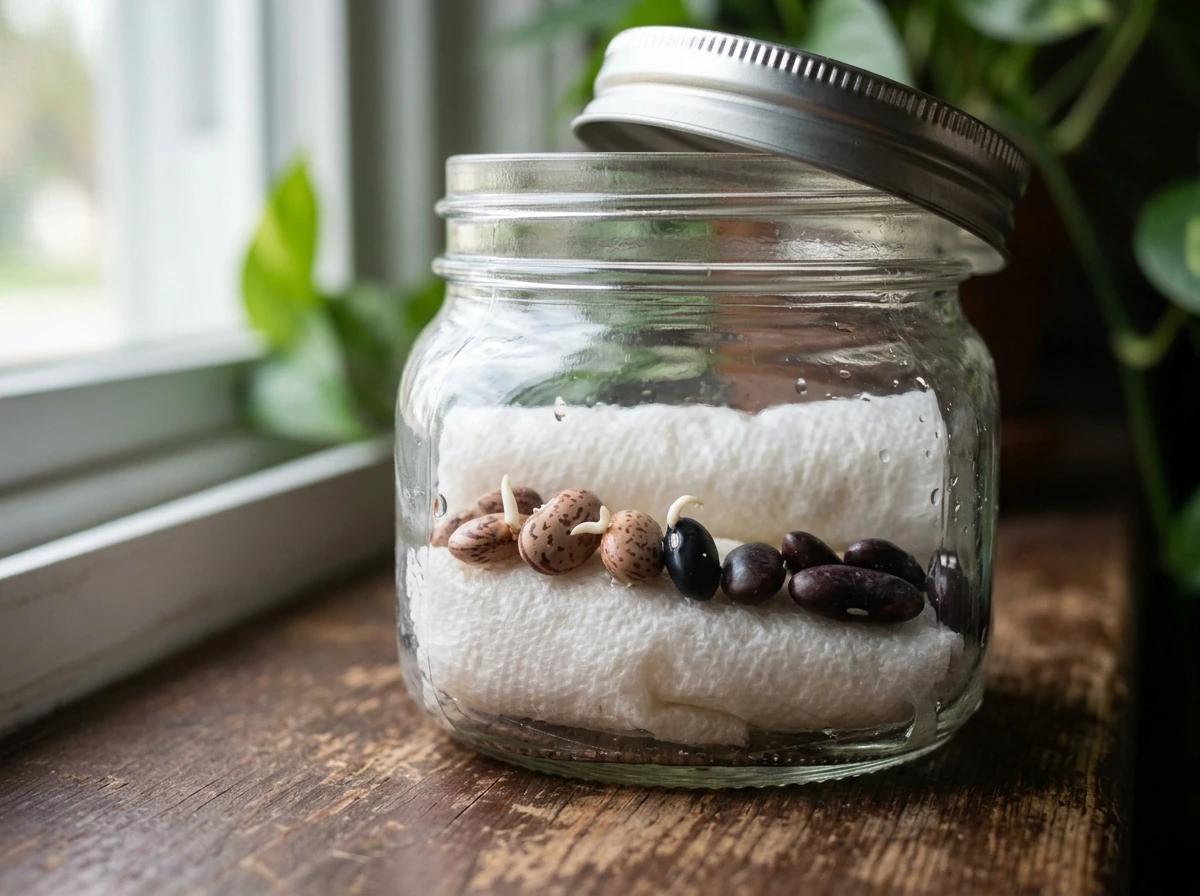
If you have dry (not canned) beans and want to know whether they'll sprout before committing a whole bag to planting, a paper towel germination test is your fastest answer. It takes about 10 days, costs nothing, and gives you a concrete percentage to work with.
- Dampen a paper towel so it's moist but not dripping wet.
- Place 10 beans evenly across one half of the towel.
- Fold the towel over the beans and slide it into a sealable plastic bag or container.
- Label it with the date and the bean type.
- Keep it somewhere warm, around 70 to 75°F, and check it after 7 days. Keep the towel from drying out.
- Count how many beans have sprouted a visible root or shoot by day 10.
If 7 or more beans out of 10 have sprouted, your germination rate is 70% or above, which is a workable threshold for planting. If you're getting fewer than 7, NC State Extension's guidance is pretty direct: you're better off sourcing fresh seed rather than planting more of the same batch and hoping for the best. Poor germination means patchy stands, wasted space, and frustration.
For canned beans: don't bother with the test. There is nothing to test. The germination rate is 0% by design. Skip ahead to the soil amendment section if that's what you're working with.
How to plant canned beans if you're going to try anyway
If someone told you they sprouted canned beans and you want to try before you believe the science, here's how to give it the best possible shot (understanding that failure is the expected outcome). The same method applies to dry beans from a bag, where success is actually realistic.
Timing and soil temperature
Beans won't germinate in cold soil. The minimum soil temperature for bean germination is around 50°F, but germination is slow and unreliable until you hit at least 60°F. Below that, beans planted in the ground are more likely to rot than sprout. Since it's late March, check your local soil temperature before you plant outside. In warmer climates (zones 8 to 10), you're likely fine now. In colder zones (5 to 7), you might be 3 to 6 weeks out from safe direct sowing. Starting in containers indoors is a useful workaround if your outdoor soil is still cold.
Containers and depth
For containers, any pot at least 8 to 12 inches deep works for bush beans. Pole beans need more root depth, so go 12 inches or deeper. Fill with a well-draining potting mix, not garden soil straight from the ground (garden soil compacts in containers and invites damping-off disease). Plant each bean about 1 inch deep and 3 to 4 inches apart. If you're planting directly in the ground, space seeds about 2 to 4 inches apart in rows 18 to 24 inches apart, at that same 1-inch depth. Beans don't like to be planted deep; burying them too far is a common mistake.
Soil requirements
Beans prefer a soil pH of 6.0 to 7.0, which is slightly acidic to neutral. If you've never tested your soil, an inexpensive pH test kit from a garden center is worth the few dollars. Beans also fix their own nitrogen through root nodules, so you don't need a heavy nitrogen fertilizer at planting time. A balanced, moderate compost mixed into the bed is enough to get started.
If they won't sprout: using canned beans to improve your garden soil
This is actually the most useful thing you can do with a can of beans that won't grow. Canned beans, especially the liquid in the can (aquafaba), are high in plant-available nitrogen and organic matter. If you're looking at a can of beans as a garden resource rather than a seed source, here are your real options.
Composting canned beans
Cooked beans can go into a hot compost pile, but with some caveats. Some municipal composting guidelines advise against adding cooked beans and grains because they can attract pests if your pile isn't managed properly. In a hot, active compost pile that you're turning regularly and keeping moist, cooked beans break down quickly and add nitrogen. Bury them in the center of the pile rather than leaving them exposed on top, and make sure you're balancing them with carbon-rich material like dry leaves or cardboard. If your pile is cold or neglected, skip the beans and just use them as a direct soil amendment in a planting hole instead.
Direct soil amendment
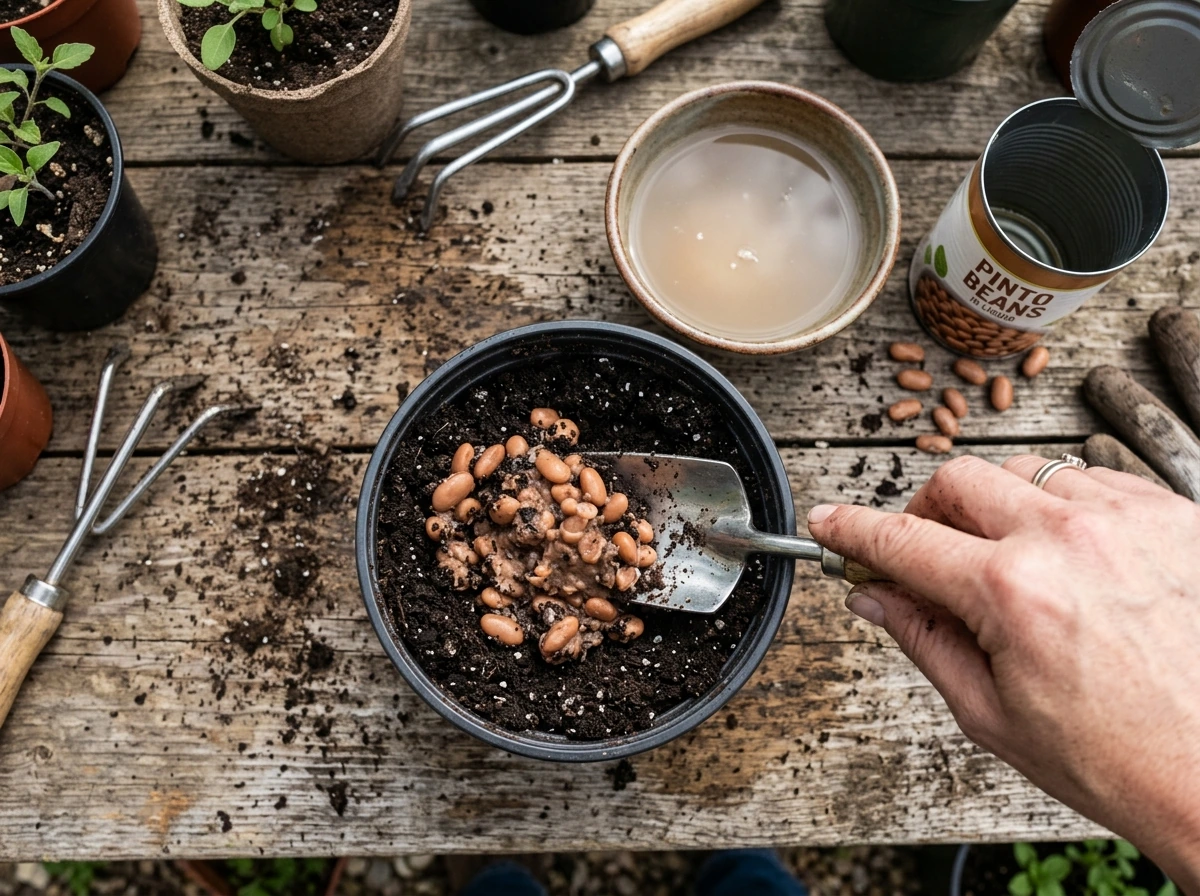
Another practical use: dig the beans into the soil a few weeks before planting as a direct organic matter boost. Mash or roughly chop them, work them into the top 6 to 8 inches of soil, and let the worms and microbes do the rest. This is especially useful for depleted or sandy soil. The bean liquid from the can can be watered directly into the soil or your compost pile. It's full of dissolved nutrients and won't hurt anything. Think of it as a very mild liquid fertilizer. what nutrients do beans need to grow. is beans grow food
What to actually plant if your goal is growing beans
If growing an actual bean crop is the goal, here's a practical starting plan using viable seed you can find right now. Since it's late March, timing works well for most of the country if you're in zones 7 and warmer, or for starting transplants indoors in colder zones.
Choosing the right bean type
Bush beans are the fastest and easiest for beginners. Varieties like 'Provider,' 'Contender,' and 'Blue Lake 274' are widely available, germinate reliably, and produce a concentrated harvest around 50 to 60 days from planting. Pole beans like 'Kentucky Wonder' take a bit longer and need support, but they produce over a much longer window through the season, which suits gardeners who want a continuous harvest rather than a single flush. If space is limited, bush beans in containers are your most practical option.
Succession planting for a real garden harvest
One planting of bush beans will give you roughly 2 to 3 weeks of harvest before production drops. To keep beans coming through summer, plant a new small row or container every 2 to 3 weeks until about 8 weeks before your first expected fall frost. This succession approach means you're not overwhelmed by a single huge harvest and you have fresh beans available from late spring through early fall depending on your zone.
- Late March to early April: First planting (indoors in cold zones, direct sow in warm zones).
- Mid to late April: Second sowing once the first planting is up and growing.
- Early to mid May: Third succession sowing, which takes you through midsummer.
- Late May to early June: Final sowing for a fall harvest, stopping 8 weeks before first frost.
Care basics once your beans are growing
Light
Beans want full sun, which means at least 6 to 8 hours of direct sunlight per day. Less than that and you'll get leggy plants with reduced yield. If you're container gardening, be ready to move pots to chase the light if your space is partially shaded.
Watering
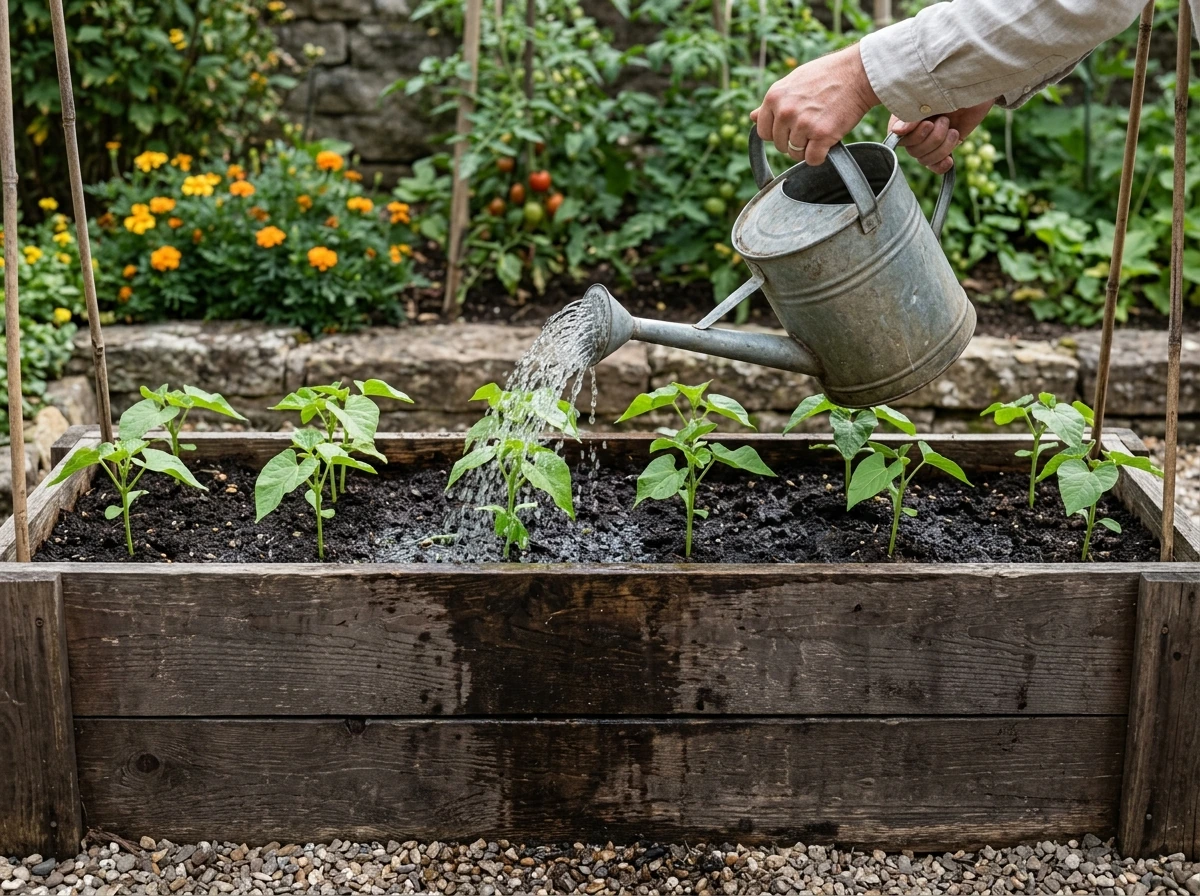
Beans need consistent moisture, roughly an inch of water per week, this is one of the most common reasons bean pods can look flat or fail to develop properly. As a rough guide from University of Minnesota Extension, an inch of water penetrates about 10 inches deep in sandy soil and around 6 inches in heavy clay. Check soil moisture with your finger: if the top inch is dry, water. If it's still damp, wait. Overhead watering is fine but try to water at the base when possible to keep foliage dry and reduce disease pressure. Inconsistent watering (too wet, then too dry, then too wet again) is one of the most common reasons bean plants stall.
Support
Bush beans are self-supporting and stay compact, usually under 2 feet tall. Pole beans absolutely need a trellis, poles, or a fence to climb, and they can reach 6 to 8 feet or more. Get your support structure in place at planting time, not after the vines are already tangled. A simple bamboo teepee with three or four poles tied at the top works perfectly for a container or small garden bed.
Soil and feeding
Because beans fix their own nitrogen, they don't need heavy feeding. A top-dress of compost at planting is usually enough. Avoid high-nitrogen fertilizers mid-season, which push leafy growth at the expense of pods. Keep the soil pH in that 6.0 to 7.0 range and your beans will largely take care of themselves.
Troubleshooting: mold, poor germination, and pests
Seeds rotting or molding before they sprout
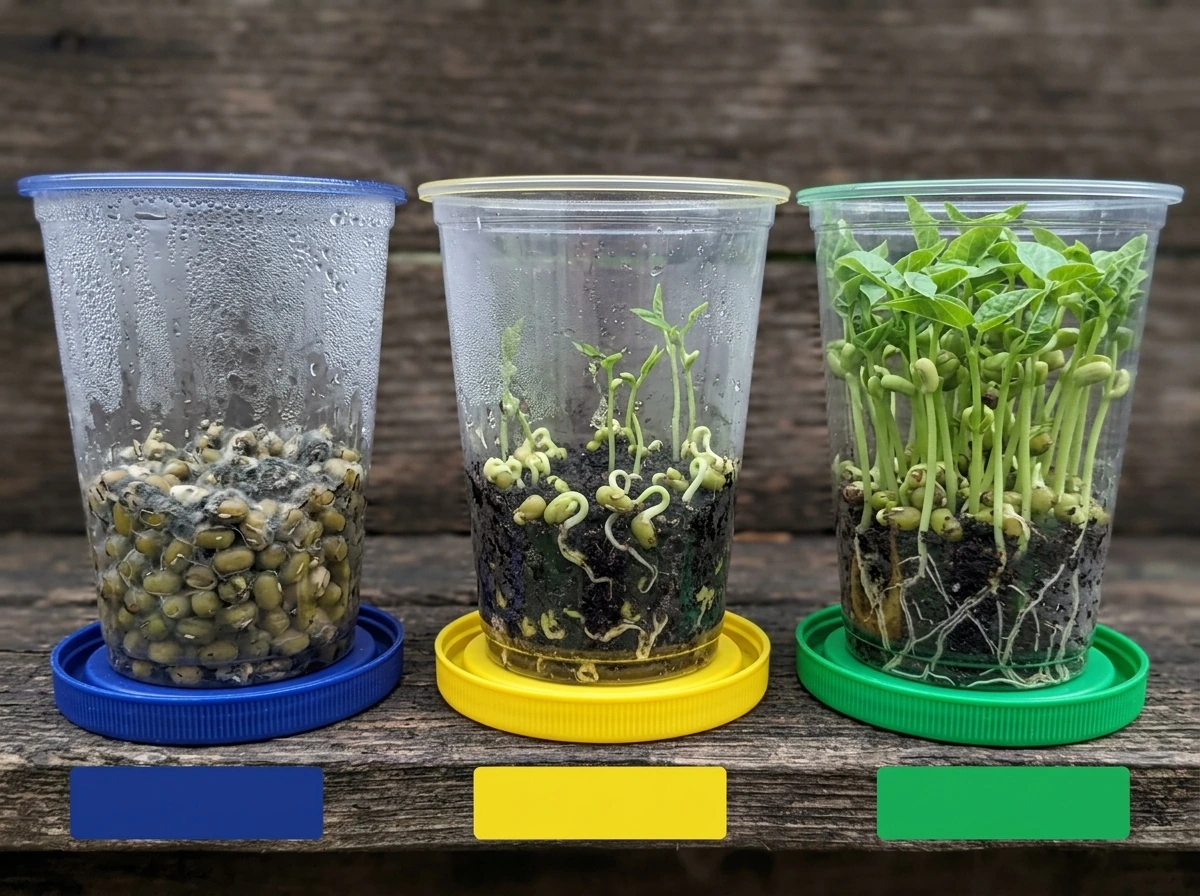
This is damping-off, and it's the most common failure with beans. It's caused by soil-borne fungi like Pythium and Rhizoctonia, and it hits hardest when soil is cold and wet. The fix is simple: don't plant until soil temperatures are reliably above 60°F, and make sure drainage is good. In containers, always use fresh potting mix rather than soil from the garden, which can carry these pathogens. If you see white fuzzy growth at the soil line around your seedlings, that's damping-off at work. Pull the affected plants, improve drainage, and wait for warmer conditions before replanting.
Poor or patchy germination
If less than half your seeds are sprouting, the likely culprits are cold soil, old seed, or both. Do a paper towel test on the remaining seeds before planting more. If your germination rate comes back below 70%, order fresh seed from a reputable supplier. Planting twice as many seeds of a borderline batch just wastes garden space and your time.
Aphids and beetles
Aphids, especially cowpea aphids, and cucumber beetles are the main insect pests to watch during establishment. Aphids cluster on the undersides of leaves and can transmit Bean Common Mosaic Virus through their feeding, which causes mottled, distorted leaves and stunted plants. Knock aphids off with a strong spray of water or use insecticidal soap if populations are heavy. Cucumber beetles chew holes in seedling leaves and can also transmit disease. Floating row cover over young plants keeps both pests off until plants are established and you're ready for pollination.
Heat stopping pod set on pole beans
Pole beans can stall during flowering if temperatures spike above 90°F for extended periods. This isn't a disease or pest problem; it's just heat stress. Flowering will resume when temperatures drop. Don't pull the plants. Keep watering consistently and they'll bounce back and continue setting pods as the weather moderates.
Canned vs. dry vs. seed-packet beans: a quick comparison
| Bean Type | Can It Sprout? | Best Garden Use | Cost to Start |
|---|---|---|---|
| Commercially canned beans | No (heat-killed) | Compost or soil amendment | Free if already on hand |
| Dry beans from grocery store | Maybe (test first) | Germination test, then direct sow if viable | Very low (about $1 to $2 per lb) |
| Garden seed packets | Yes (if fresh and stored well) | Direct sow or transplant | Low ($2 to $5 per packet) |
If you're starting today with a can of beans and nothing else, the fastest path to an actual bean garden is: use the canned beans in your compost or soil, then pick up a seed packet of bush beans from a garden center or order online. You'll have seedlings up within 7 to 10 days of planting, and fresh beans on the table in about 55 to 60 days from there. That's a realistic, achievable timeline from where you're starting right now.
FAQ
If I plant individual beans from a can, will anything sprout eventually after weeks?
Don’t. If the beans are from a commercially canned product, the heat process is intended to be biologically sterile, so any “spring” of growth is not coming from the bean embryos. The can can still help the soil, but for plants you need viable dry seed (or seedlings) with living embryos.
What’s the best way to add aquafaba and cooked beans to the soil without attracting problems?
You can reduce the chance of pests and smell by mixing the chopped beans into the soil, then covering with a layer of compost or mulch. If you’re using the can liquid, dilute it with water (for example, 1 part liquid to 3 to 5 parts water) and water it in, rather than pouring a thick, concentrated amount onto the surface.
I have dry beans in a pantry. If the germination test is borderline, is it better to plant more seeds or buy new?
If you want to try sprouting, only start with dry beans from a bag that are not cooked and not canned. For dry beans, if the paper towel test is below 70% and you decide to plant anyway, increase seeding rate and expect patchiness. The goal is a workable stand, not a guarantee, so re-test rather than “double down” blindly.
How do I decide when to plant outside if my weather is variable?
For direct sowing, use warm-up targets rather than calendar dates. Wait until soil temperatures are consistently above 60°F, and in cold climates start indoors in containers 2 to 4 weeks earlier, then transplant once nights are reliably warmer. Transplanting works better for beans when you keep root disturbance low (use biodegradable pots or minimize handling).
How deep should I plant beans, and what mistake causes most failed germination?
Burying depth is a common reason for no emergence. Stick close to about 1 inch for most bush and pole beans. If you live in a very cool, damp area, you can slightly adjust, but “deeper for safety” often backfires by slowing emergence and increasing rot risk.
Why did my bean seedlings rot in containers, and how do I prevent damping-off?
Use potting mix for containers to avoid damping-off and other soil-borne issues. If your container is outdoors and temperatures drop overnight, consider moving it under a cover or into a warmer spot temporarily, because cold, wet conditions dramatically increase seedling failure.
If I use compost and also add bean liquid, will that over-fertilize my beans?
Yes, but manage the timing and the amount. Beans can be sensitive to excess nitrogen, which drives leafy growth and fewer pods, so a light compost top-dress is usually enough. If you’re using the can as an amendment, avoid repeating it heavily mid-season, since the extra nitrogen effect can linger.
How do I water beans so pods form well during hot spells?
Beans typically handle moderate drought better than repeated wet-dry cycles. For consistent results, aim for roughly weekly deep watering that keeps the top layer from drying out, and adjust frequency during heat waves. Mulching helps stabilize soil moisture, which reduces stalling and helps pod formation.
My pole beans stopped flowering during a heat wave, should I fertilize or just wait?
If flower drop happens during heat, it is usually heat stress, not a nutrient deficiency. Keep watering consistently, make sure plants get full sun but not scorching exposure from reflective surfaces, and avoid heavy nitrogen during flowering. When temperatures moderate, flowering should resume.
Next Article
What Causes Green Beans to Grow Flat and How to Fix It
Diagnose why green bean pods look flat or twisted, from weather and pollination to watering, nutrients, pests, and harve